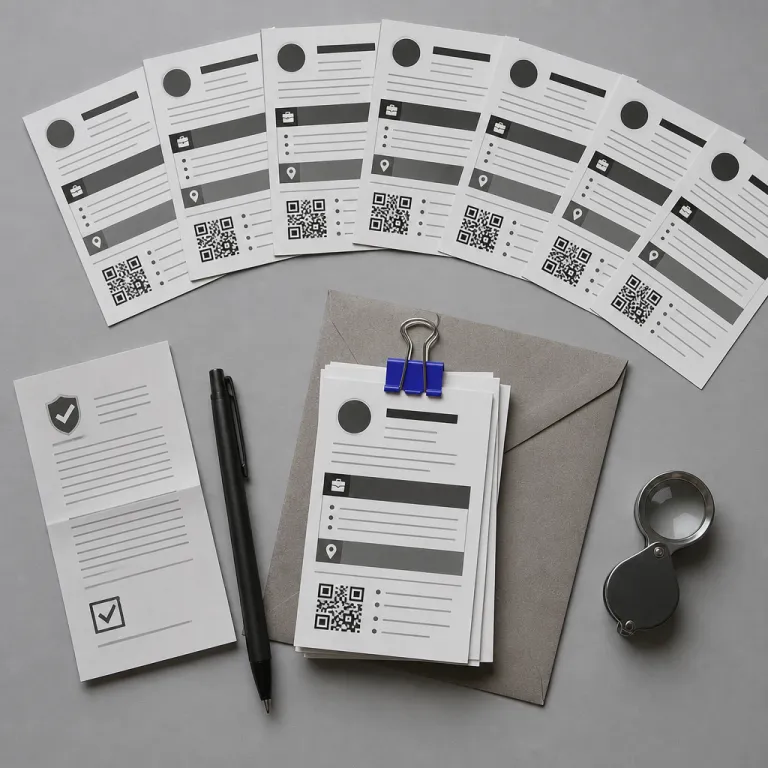
Why ethical profile sourcing matters in talent acquisition
Ethical talent acquisition starts with clear best practices for locating professional profiles ethically. When recruiters search on Google, scan social media, or review a professional website, they handle personal professional information that deserves the same care as internal HR records. Respecting privacy, confidentiality, and the limits of confidentiality is not only a legal issue under data protection law, it is also a core element of ethical principles that protect both candidates and clients.
In many organisations, hiring teams still treat public data on media platforms or media sites as a free resource, yet ethical practices require a more informed view of what is appropriate to collect, store, and share. Even when a profile is public on social networking tools or open social media channels, the recruiter must consider privacy confidentiality expectations, the employer’s privacy policy, and any relevant code of ethics from a national association or professional body. This is especially critical when sourcing for roles in health care, mental health services, or social work, where social workers and other professionals are bound by strict ethical considerations and association social guidelines that go beyond standard recruitment practice.
People seeking information about best practices for locating professional profiles ethically often ask whether they may contact a client or former employer directly through social media or other media platforms. The safest practice is to obtain informed consent from the candidate before any contact with current clients or colleagues, and to explain the consent process in plain language. Treat every candidate as you would treat a sensitive client in a clinical or mental health setting, where confidentiality and ethical professional boundaries are non negotiable, and where ethical practices are designed to prevent harm rather than to react after an issue appears.
Using social media and search engines without crossing professional boundaries
Recruiters rely heavily on social media and Google to locate talent, so best practices for locating professional profiles ethically must address how to use these tools responsibly. A recruiter may view a candidate’s public social networking activity, yet they should avoid judging suitability based on irrelevant personal content that has no link to job performance. Ethical considerations demand that any information drawn from social media platforms or other media sites be directly related to the role, shared transparently with the candidate, and handled with the same confidentiality as information gathered through a formal application on a company website.
When sourcing candidates for clients in sensitive sectors such as health care, social services, or mental health, the bar is even higher, because the professionals you assess are themselves bound by a code of ethics and strict privacy confidentiality rules. For example, social workers often follow guidance from a national association or association social body that defines ethical principles, limits of confidentiality, and acceptable online conduct on social media. If you review a public article, comment, or media post written by such a professional, you must interpret it within that ethical context and avoid misusing content that was intended for education, advocacy, or public health communication rather than recruitment screening.
Ethical practices also extend to how you document and store what you see on media platforms, because screenshots or copied content can easily breach privacy policy commitments if shared carelessly with a hiring manager or client. A robust internal policy should specify what types of social media information may be recorded, how long it can be kept, and who may view it, aligning with data protection law and internal HR standards. To make this concrete, many teams use a short checklist: note only job relevant skills, professional achievements, and publicly stated availability; avoid recording political views, family details, or health information that are not essential to the role.
Respecting informed consent and transparency in candidate contact
One of the central best practices for locating professional profiles ethically is to treat every initial contact as the start of an informed consent conversation. Even when you find a candidate through public social media, a professional website, or a social networking profile, you should explain clearly why you are reaching out, what client you represent, and how their data will be used. This mirrors the consent process in health care or mental health services, where informed consent is not a one time form but an ongoing dialogue about risks, benefits, and privacy confidentiality protections.
Ethical recruiters do not hide behind vague references to “a leading client” when the role is sensitive, because transparency builds trust and aligns with ethical principles similar to those in a clinical code of ethics. If a candidate currently works with vulnerable clients, such as patients in health care or service users supported by social workers, you must clarify how any move might affect continuity of care and what ethical practices your client follows to protect those individuals. A simple consent script can help: briefly state how you found their profile, what information you have already seen, how long you plan to retain it, and ask explicitly, “Are you comfortable with me sharing this information with my client for the purposes of this recruitment process?”
Transparency also extends to what you have already viewed about the candidate on media platforms or media sites, because hiding that you have read a controversial article or social media post can damage trust later. A simple, ethical practice is to mention that you have seen their public professional contributions and to invite their perspective, rather than using such content as a secret filter. When sourcing creative or entertainment talent, similar principles apply, and you can see how they play out in this analysis of how music managers look for talent, where public profiles are common but still require respectful, informed engagement.
Handling sensitive sectors: health, mental health, and social work
Recruitment in health care, mental health, and social work requires especially rigorous best practices for locating professional profiles ethically, because the professionals you source hold deep responsibilities toward vulnerable people. When you review a public article, conference presentation, or social media thread written by a clinician or social worker, you are often seeing material shaped by a strict code of ethics and organisational privacy policy. Ethical considerations demand that you interpret such content through the lens of professional boundaries, not as casual personal expression on generic media platforms.
For example, social workers guided by a national association or association social body must respect limits of confidentiality even when they share anonymised case examples in public forums, and recruiters should recognise that these professionals already navigate complex privacy confidentiality rules. If you approach them through social networking channels or a professional website, you should mirror the same ethical principles by clarifying how any move might affect their current clients and what safeguards your client organisation has in place. This is particularly important in mental health recruitment, where a change of therapist or clinician can significantly affect continuity of care and client trust.
Ethical practices in these sectors also include avoiding any attempt to access non public health records, closed media sites, or restricted forums without explicit informed consent and appropriate legal authority. Even when law permits certain background checks, the ethical practice is to use the minimum necessary information and to share your rationale openly with the candidate. A brief case example illustrates this: a recruiter sourcing psychologists for a hospital chose not to join a closed peer support group, even though invited, and instead relied on formal references and published work, explaining this boundary to candidates as part of the consent process.
Balancing personal and professional online identities in sourcing
Many candidates blend personal and professional identities online, which complicates best practices for locating professional profiles ethically. A single social media account may contain both technical insights and family photos, while a personal professional blog might mix client case reflections with private opinions about public policy. Recruiters must therefore apply ethical considerations and clear ethical principles when deciding what to view, what to record, and what to ignore on media platforms or social networking sites.
One practical approach is to focus primarily on explicitly professional spaces such as LinkedIn, institutional website biographies, or peer reviewed article repositories, while treating other media sites with greater caution. If you do view more personal content, you should avoid making hiring decisions based on protected characteristics or off duty lawful activities that have no bearing on job performance, because such practice can breach both law and internal privacy policy. Ethical practices also suggest that you should not send a contact request from your personal social account to a candidate, as this blurs professional boundaries and may pressure them into sharing more than they wish.
Instead, use official company channels for any contact, explain clearly how you found their profile, and invite them to set their own limits of confidentiality regarding what may be shared with clients or hiring managers. This respects the same autonomy that underpins informed consent in health care and mental health, where clients decide what information may be shared and with whom. Over time, such respectful sourcing builds a reputation for integrity that attracts professionals who value ethical recruitment, strengthening both your talent pipeline and your relationships with discerning clients.
Building internal policies and training for ethical digital sourcing
Organisations that take best practices for locating professional profiles ethically seriously do not rely on individual judgment alone. They create clear internal policies that define acceptable practice on social media, Google searches, and other media platforms, specifying what recruiters may view, record, and share. These policies should align with relevant law, industry code of ethics, and the organisation’s own privacy policy, while also reflecting the ethical principles that guide client care in sectors such as health and mental health.
Effective policies cover topics such as when it is appropriate to contact a candidate through social networking channels, how to document informed consent, and how to handle privacy confidentiality concerns raised by candidates or clients. Training should include realistic scenarios, such as reviewing a controversial article written by a candidate, encountering sensitive client information in a public forum, or seeing a social worker discuss practice dilemmas on association social platforms. In each case, recruiters learn to apply ethical considerations, respect limits of confidentiality, and escalate any complex issue to legal or compliance teams rather than improvising alone.
Internal guidance should also reference relevant national association standards where available, especially for professions with strong codes of ethics such as social workers, psychologists, and health care practitioners. When teams understand how these professionals think about client confidentiality, informed consent, and ethical practices, they can design sourcing workflows that feel familiar and respectful to candidates. For more on structuring sourcing channels and choosing the right crewing or staffing sources, you can review this analysis of finding the right crewing source for effective talent management, then adapt its lessons to digital profile searches and ethical online engagement.
Key statistics on ethical digital sourcing in talent acquisition
- Industry surveys consistently report that a large majority of organisations now use social media to source or screen candidates, which makes clear policies on ethical practices and privacy confidentiality essential for risk management.
- Professional privacy bodies regularly highlight that a significant share of employment related complaints involve inappropriate use of online information, showing how misuse of media platforms and media sites can quickly become a legal issue.
- Research from HR institutes indicates that structured, transparent consent processes in recruitment are associated with higher candidate trust scores, suggesting that informed consent is not only an ethical principle but also a driver of stronger employer branding.
- European fundamental rights reports note that discrimination cases often involve decisions based on online content, reinforcing the need for recruiters to separate personal professional expression from job relevant criteria when they view social networking profiles.
- Benchmarking by large recruitment firms shows that organisations with formal codes of ethics for digital sourcing tend to report fewer candidate withdrawals and higher client satisfaction, suggesting that best practices for locating professional profiles ethically also improve long term talent outcomes.
FAQ about ethical sourcing of professional profiles
Can recruiters review a candidate’s public social media profiles?
Recruiters may review public social media profiles, but they should focus only on information relevant to the role and avoid decisions based on protected characteristics or purely personal content. Any information used in assessment should be shared transparently with the candidate, handled under the organisation’s privacy policy, and aligned with applicable law and ethical principles.
Is it acceptable to contact a candidate through their personal social networking account?
Contacting a candidate through a personal social networking account is generally discouraged, because it blurs professional boundaries and may pressure the individual to share more than they intend. A better practice is to use official company channels or professional platforms, explain how you found their profile, and invite them to set their own limits of confidentiality.
How should informed consent work in digital candidate sourcing?
Informed consent in digital sourcing means telling candidates what data you have collected, how you found it, how it will be used, and with whom it will be shared. This consent process should be documented, revisited if the purpose of data use changes, and aligned with both data protection law and any relevant professional code of ethics.
What special care is needed when sourcing health or social care professionals?
When sourcing health care, mental health, or social work professionals, recruiters must recognise that these candidates are bound by strict confidentiality and ethical standards toward their clients. Recruiters should avoid accessing non public information, respect association social or national association guidelines, and discuss openly how any move might affect client care and continuity.
Why do organisations need formal policies on ethical online sourcing?
Formal policies on ethical online sourcing give recruiters clear rules about what they may view, record, and share from media platforms and media sites. Such policies reduce legal risk, support consistent ethical practices, and signal to both candidates and clients that the organisation treats digital information with the same care as any other confidential data.
